


Overview
Respiratory tract infections (RTIs) are a major cause of illness and death among children globally. In Kyrgyzstan, where under-five mortality from lower RTIs is high and antibiotic overuse is common, little has been known about the specific causes of these infections—until now.
Study purpose
This study aimed to identify the viral and bacterial causes of RTIs in Kyrgyz children and to evaluate pneumococcal conjugate vaccine (PCV) coverage, particularly in relation to the presence of Streptococcus pneumoniae.
Approach
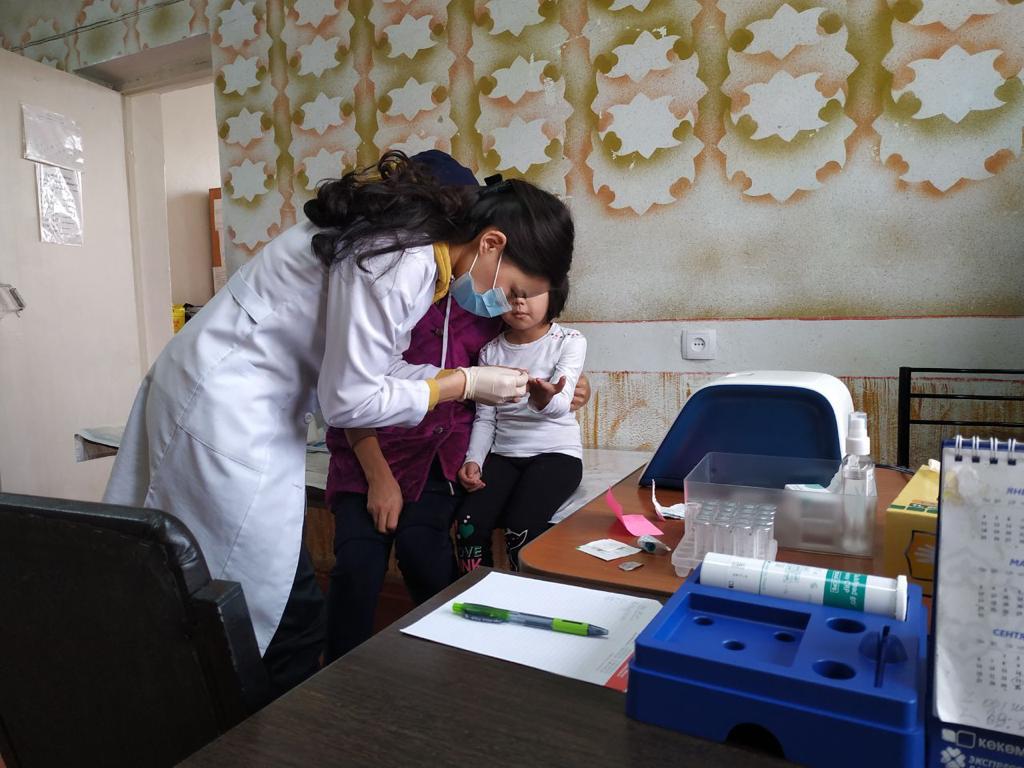
Researchers collected samples from children aged 6 months to 12 years with symptoms of RTI (outpatients) or pneumonia (inpatients) between November 2022 and June 2023. Laboratory testing included culture and RT-PCR methods to detect common respiratory pathogens. Vaccination data was gathered through records and parental reporting.
Key findings
- S. pneumoniae was the most commonly identified bacterial pathogen, found in 44.8% of culture-positive cases.
- Viral pathogens were detected in 64.1% of outpatients and 54.7% of inpatients using RT-PCR.
- Mycoplasma pneumoniae was found in 15.8% of inpatients, suggesting a possible spring 2023 outbreak.
- Around 20% of cases showed both viral and bacterial co-infections.
- PCV coverage was 87.1% for outpatients and 75.9% for inpatients. Unvaccinated children—especially those under five—had higher S. pneumoniae carriage rates.
Implications
The study highlights the high rate of viral and mixed infections in Kyrgyz children with RTIs. These insights can support more effective clinical guidelines, reduce unnecessary antibiotic use, and ultimately improve child health outcomes in the region.