Gender and Equity

Gender and social inequities influence antibiotic use, exposure, and access to resources. Addressing these factors enhances the effectiveness and inclusivity of AMR strategies, ensuring that vulnerable and marginalised groups receive equitable protection and support.

Gender and Equity

Antimicrobial resistance (AMR) is a global health threat that intersects significantly with gender and equity issues. While research on gender and AMR has primarily focused on women’s biological susceptibility, a substantial gap remains in understanding the broader social and structural dynamics. Moreover, the impacts of AMR often fall disproportionately on already vulnerable or marginalised groups, highlighting the need to incorporate equity alongside gender considerations. Applying a gender and equity lens is essential not only to promote gender equalityequity, but also to enhance the effectiveness, accessibility, and sustainability of AMR solutions.

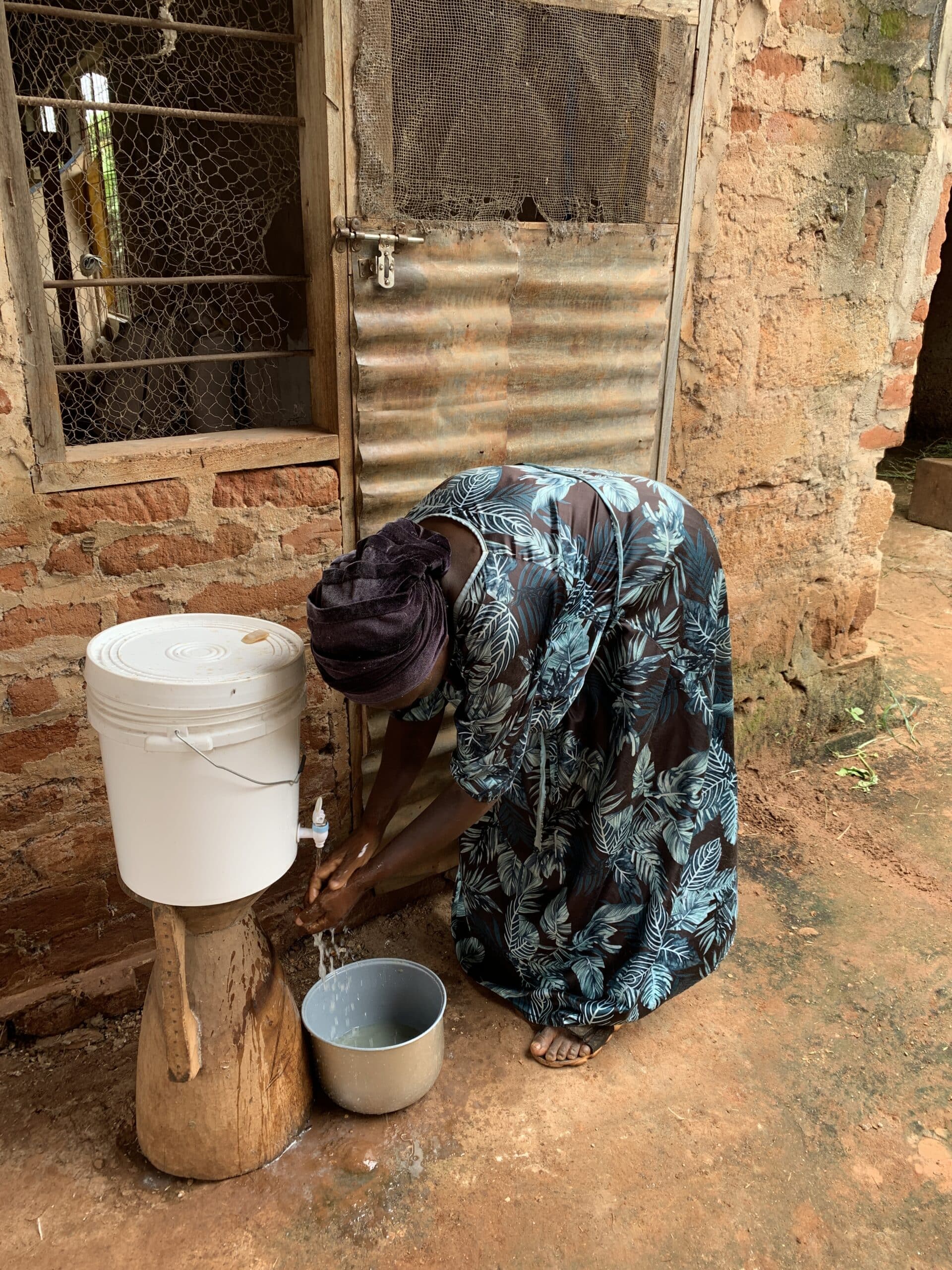
Hands

Addressing unequal mobility and decision-making power

In household and community settings, gender and social inequities can restrict individuals’ ability to seek care and use antibiotics appropriately. In Lao PDR, one project is working with private pharmacies, often the first point of contact for patients, to ensure they comply with Good Pharmacy Practices (GPP), while another project aims to improve antibiotic use in children and pregnant women.

In 2025, ICARS, the International Development Research Centre, and the UK Department of Health and Social Care’s Global AMR Innovation Fund (GAMRIF) launched a two-year Gender and Equity stream, to conduct a deeper exploration into the critical but under-researched intersections between AMR, gender and equity.

Acknowledging varied exposure and vulnerability across genders and social groups

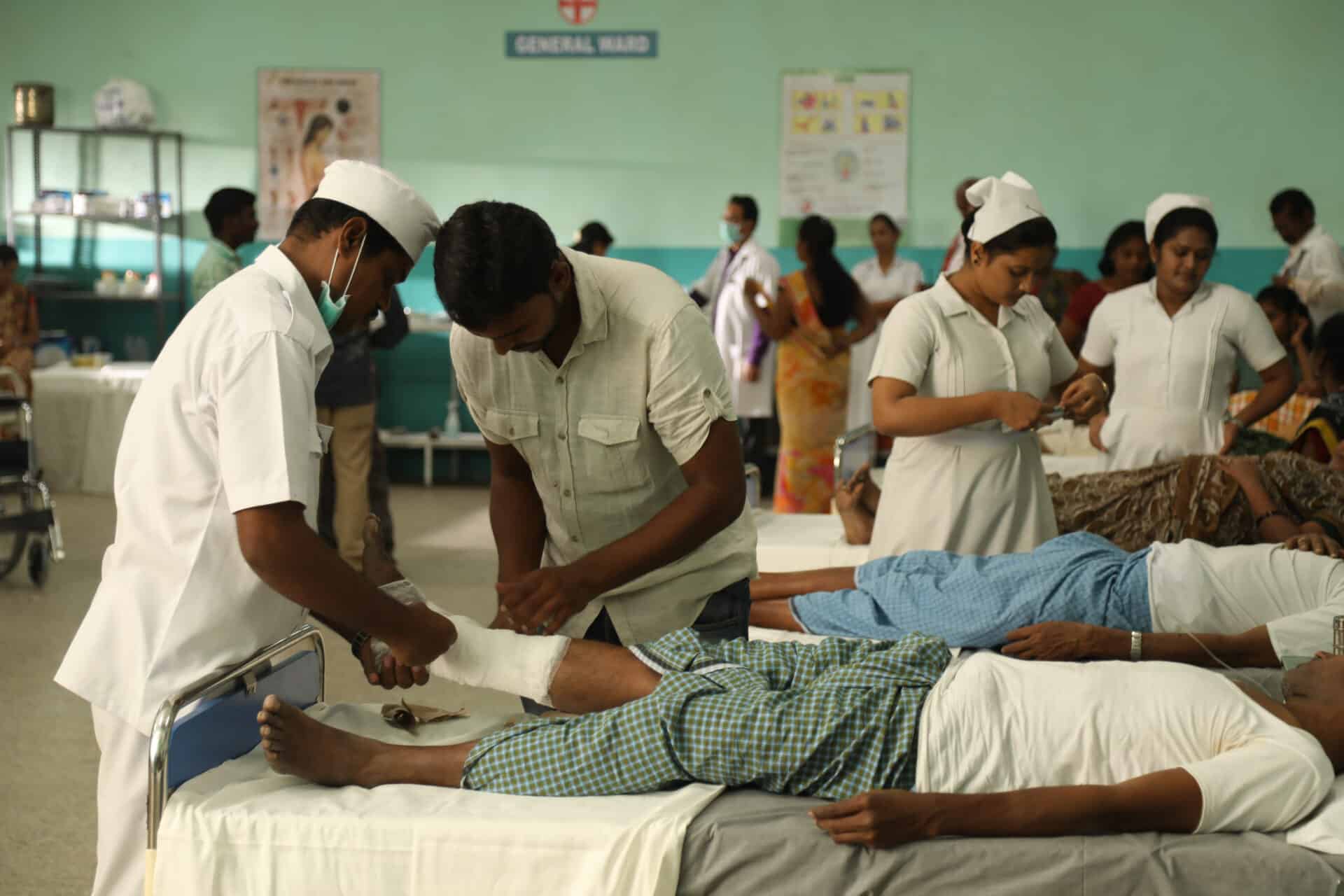
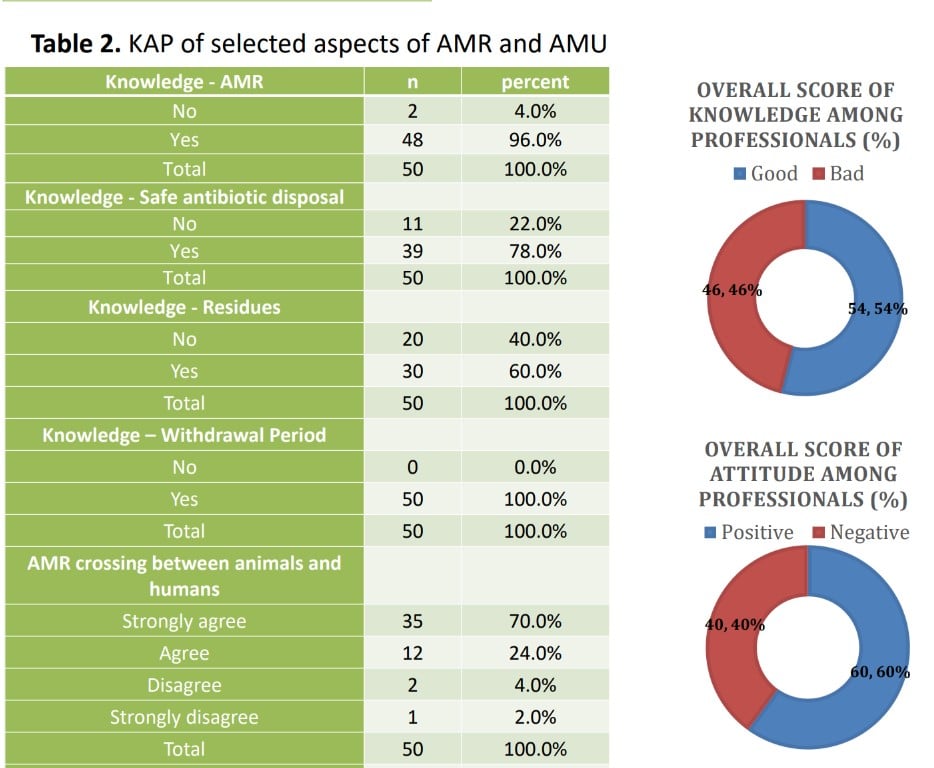
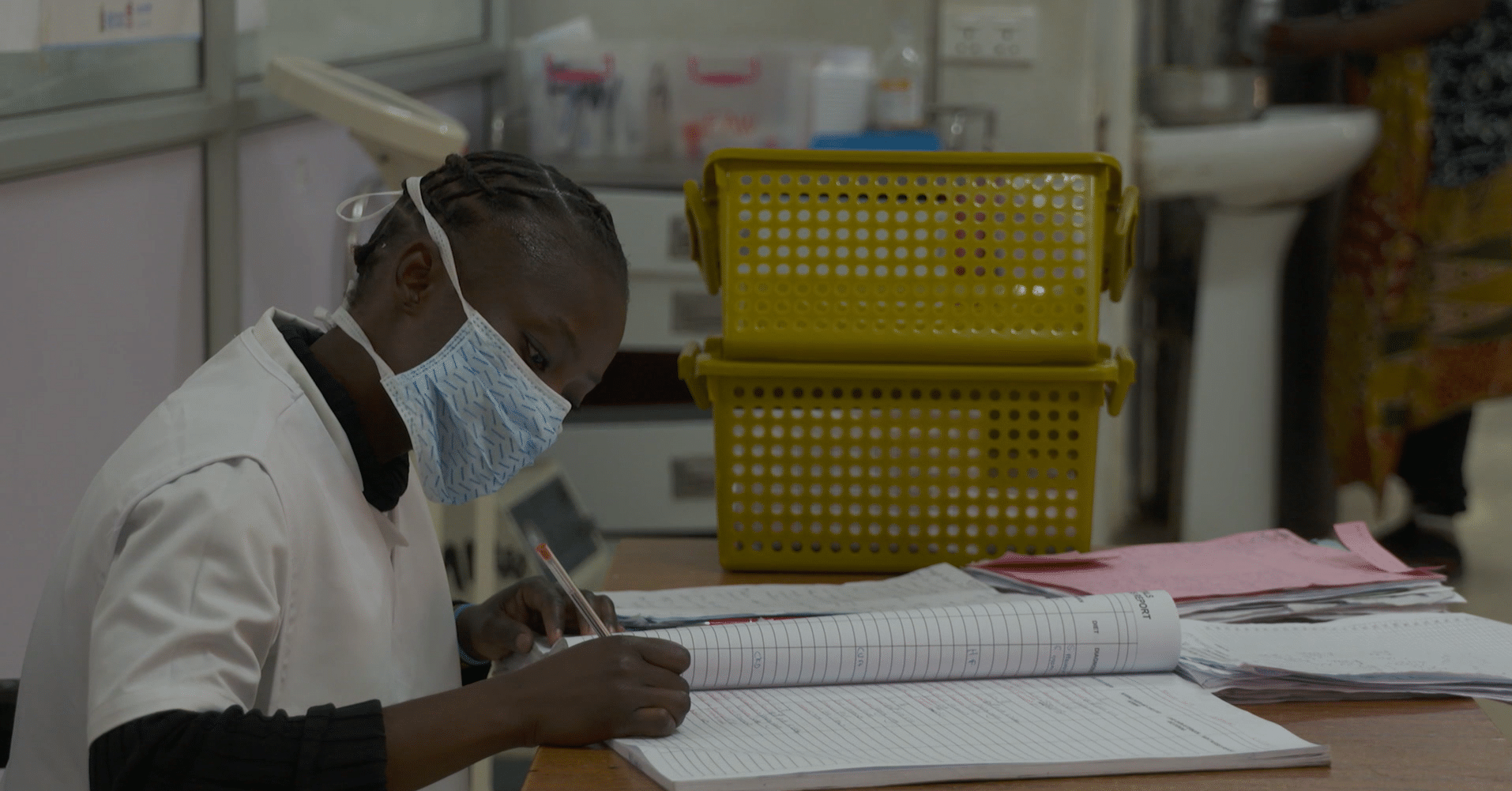
AMR exposure and vulnerability differ by gender and social status due to occupational roles, living conditions, and environmental factors. For example, in healthcare settings, women make up 70% of the global workforce and are therefore more exposed to drug-resistant infections in those settings. The Responsive Dialogue approach, developed by Wellcome to support public engagement and community leadership, offers a framework for gathering diverse ideas and views from the public to generate interventions that address the real-life challenges that people face. ICARS has worked with Wellcome and Eden University to expand the original toolkit by developing practical guidelines for facilitating ‘Conversation Events’ in low- and middle-income settings.

Breaking down boundaries for accessing training and resources

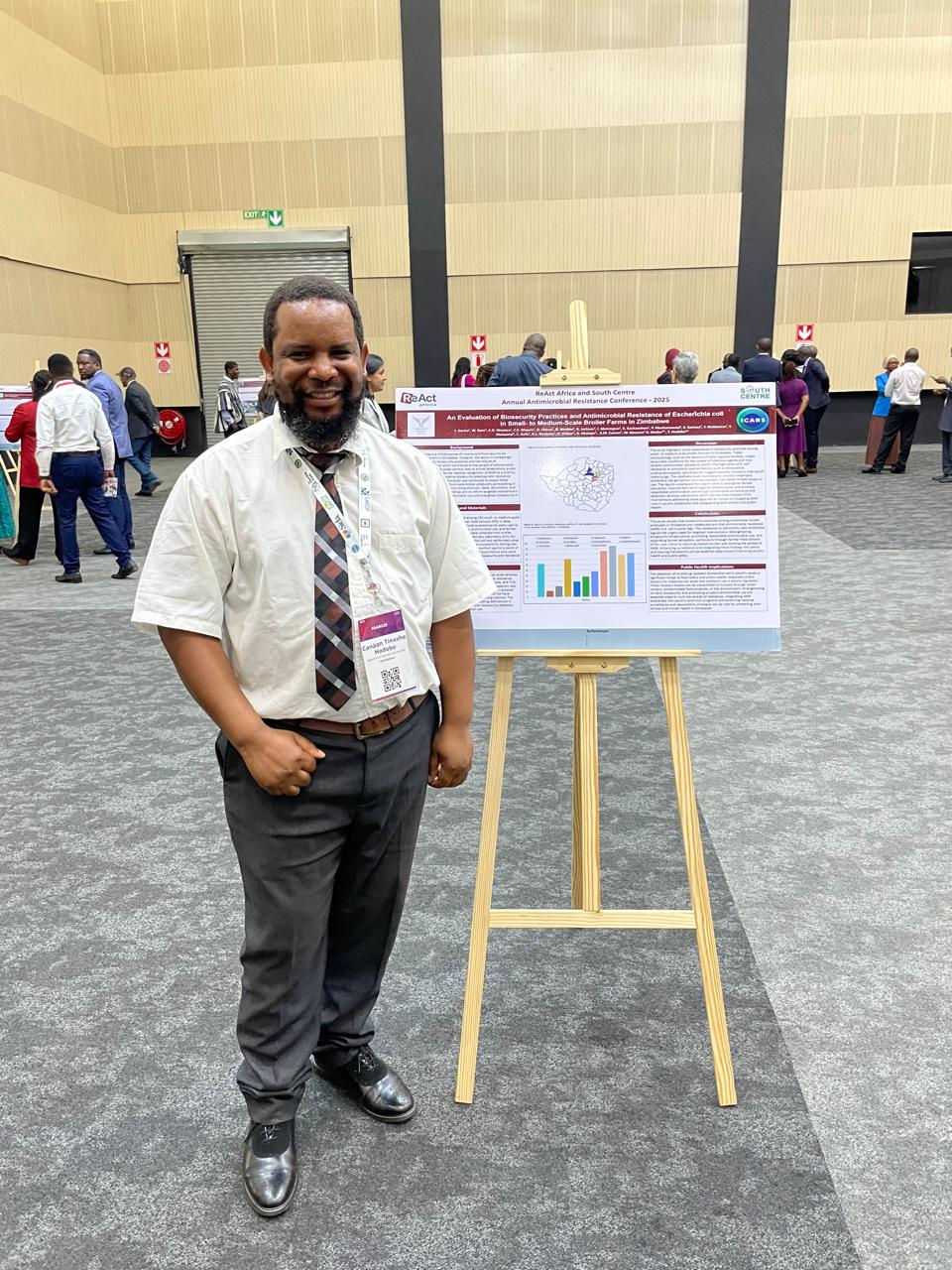
Gendered social roles and socioeconomic status shape access to education, training, and resources related to AMR. In Zimbabwe, a project aimed at reducing antibiotic use in poultry farming has established farmer field schools for small- to medium-scale farmers to improve biosecurity, animal husbandry practice, poultry health and profitability for local chicken producers. Meanwhile in Zambia, a project using the Responsive Dialogue approach broke down myths and misconceptions about urinary tract infections (UTI) and UTI management among community members.

In 2025, ICARS, the International Development Research Centre, and the UK Department of Health and Social Care’s Global AMR Innovation Fund (GAMRIF) launched a two-year Gender and Equity stream, to conduct a deeper exploration into the critical but under-researched intersections between AMR, gender and equity.

Our projects

Previous
Next