Diagnostic and Antimicrobial Stewardship

Timely, accurate diagnosis combined with responsible antibiotic use is vital to preserving treatment effectiveness. Diagnostic and antimicrobial stewardship initiatives improve prescribing practices, strengthen surveillance, and promote sustainable antimicrobial use across One Health sectors.

Diagnostic and Antimicrobial Stewardship

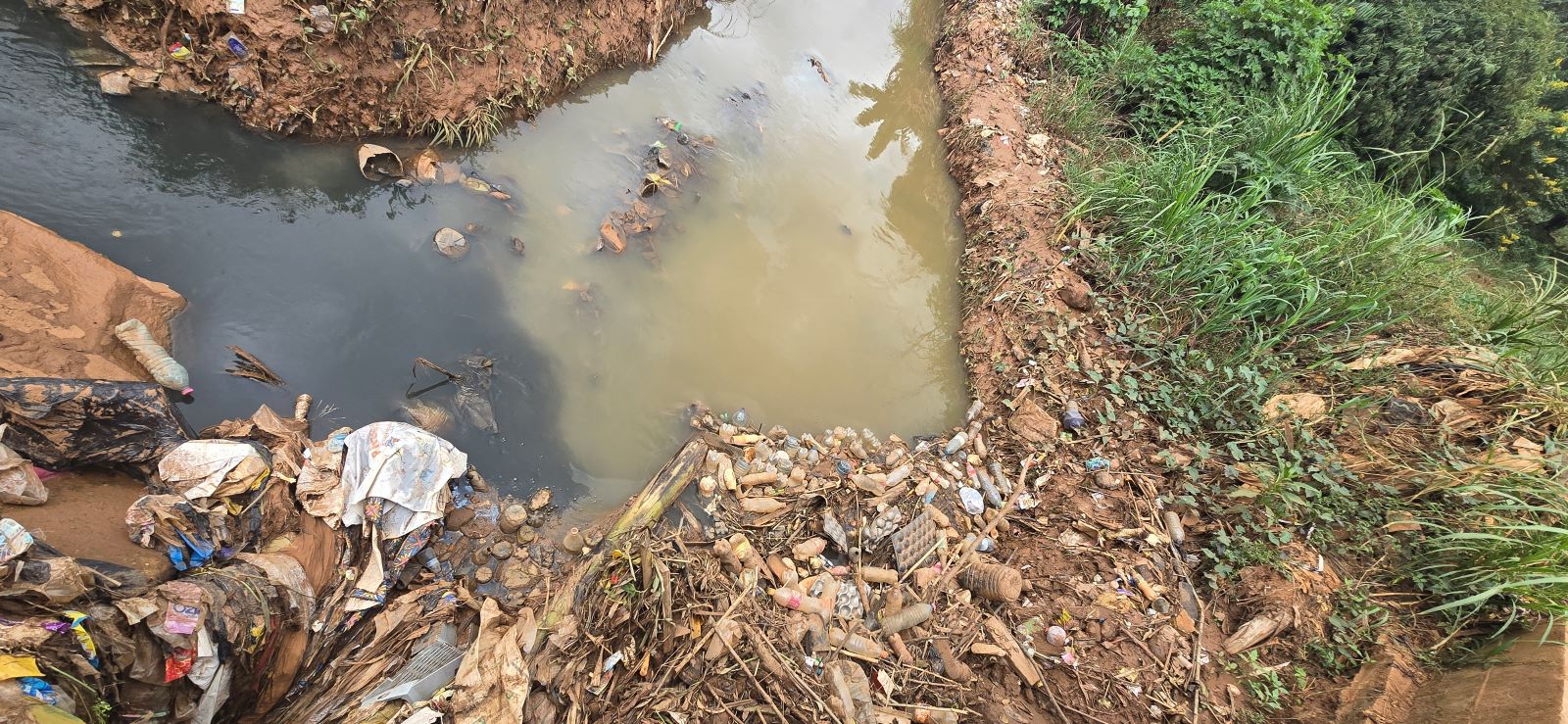
Antimicrobial resistance (AMR) is a growing global health threat that transcends borders, sectors, and species. Misuse and overuse of antibiotics – in patients, animals and plants – are fuelling the selection and spread of resistant bacteria. Addressing this challenge across sectors requires diagnostic stewardship, which ensures treatment decisions are guided by accurate and timely diagnosis, and antimicrobial stewardship, which ensures antimicrobials are used responsibly and appropriately. Together with infection prevention and control, these approaches form the backbone of efforts to preserve antimicrobial effectiveness.   

ICARS works with partners globally to co-develop and test context-specific solutions to improve diagnostic and antimicrobial stewardship.

Prudent use through Antimicrobial Stewardship

Effective antimicrobial stewardship means using antimicrobials only when necessary and in the right way. In both healthcare and agriculture, ICARS supports countries to implement stewardship strategies that are rooted in local realities. 
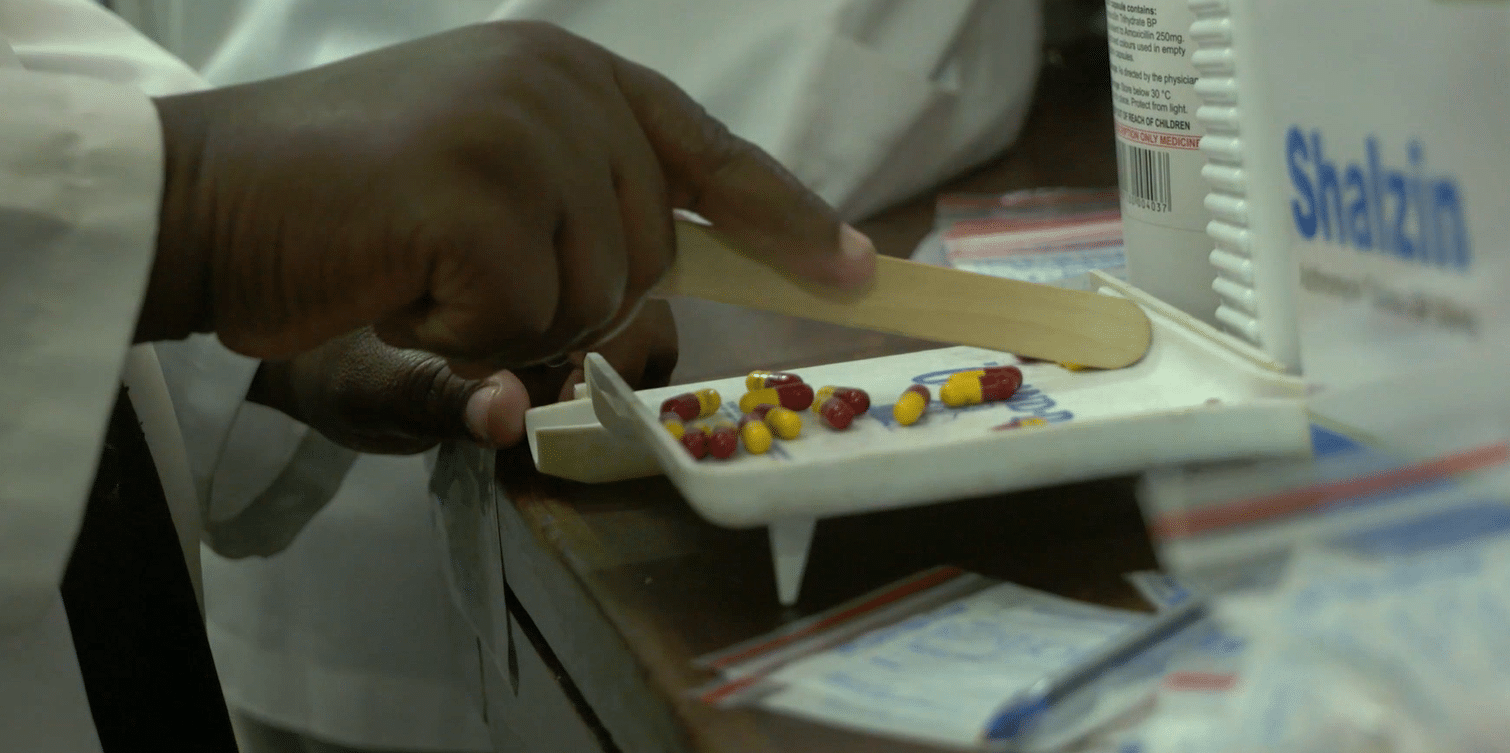
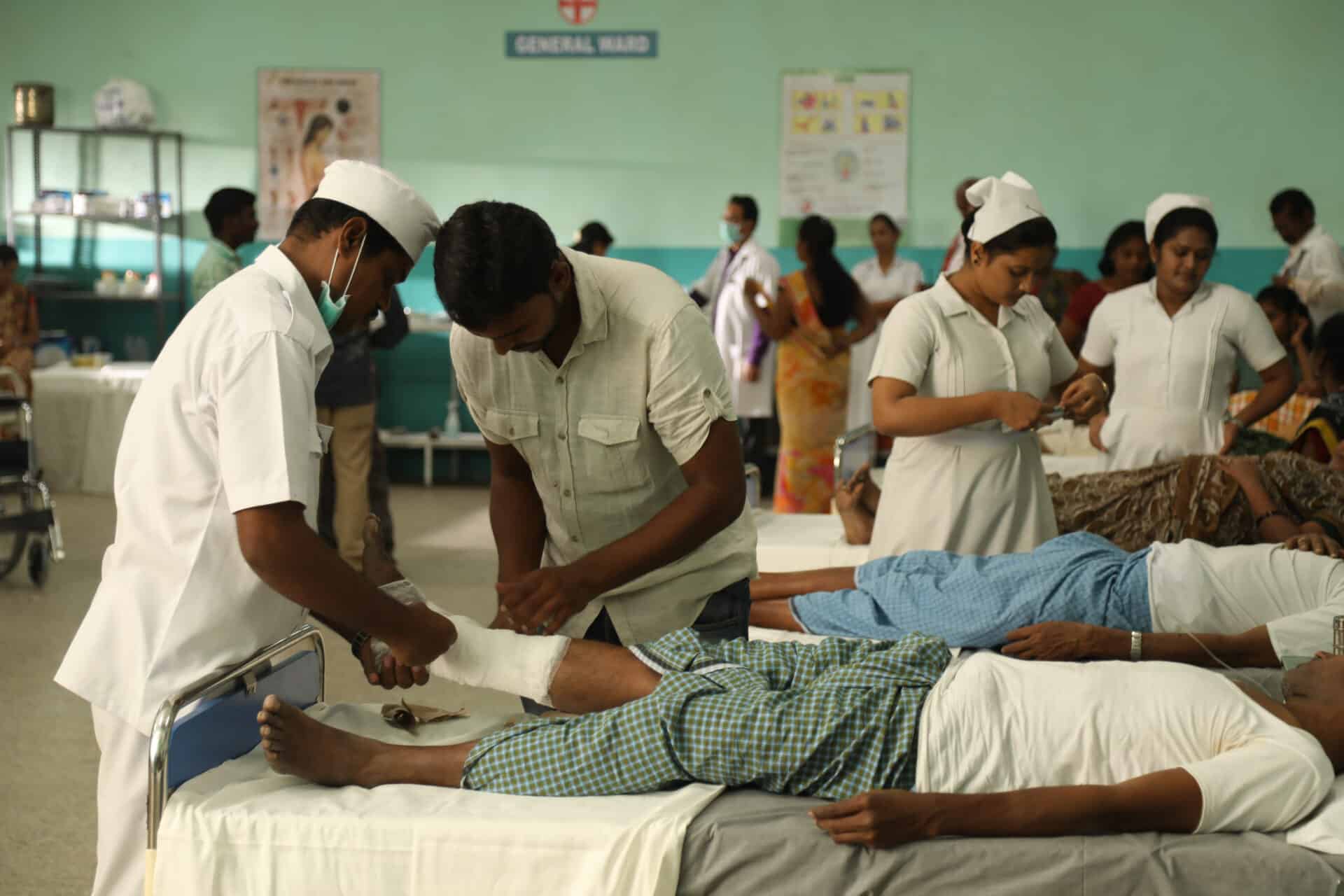
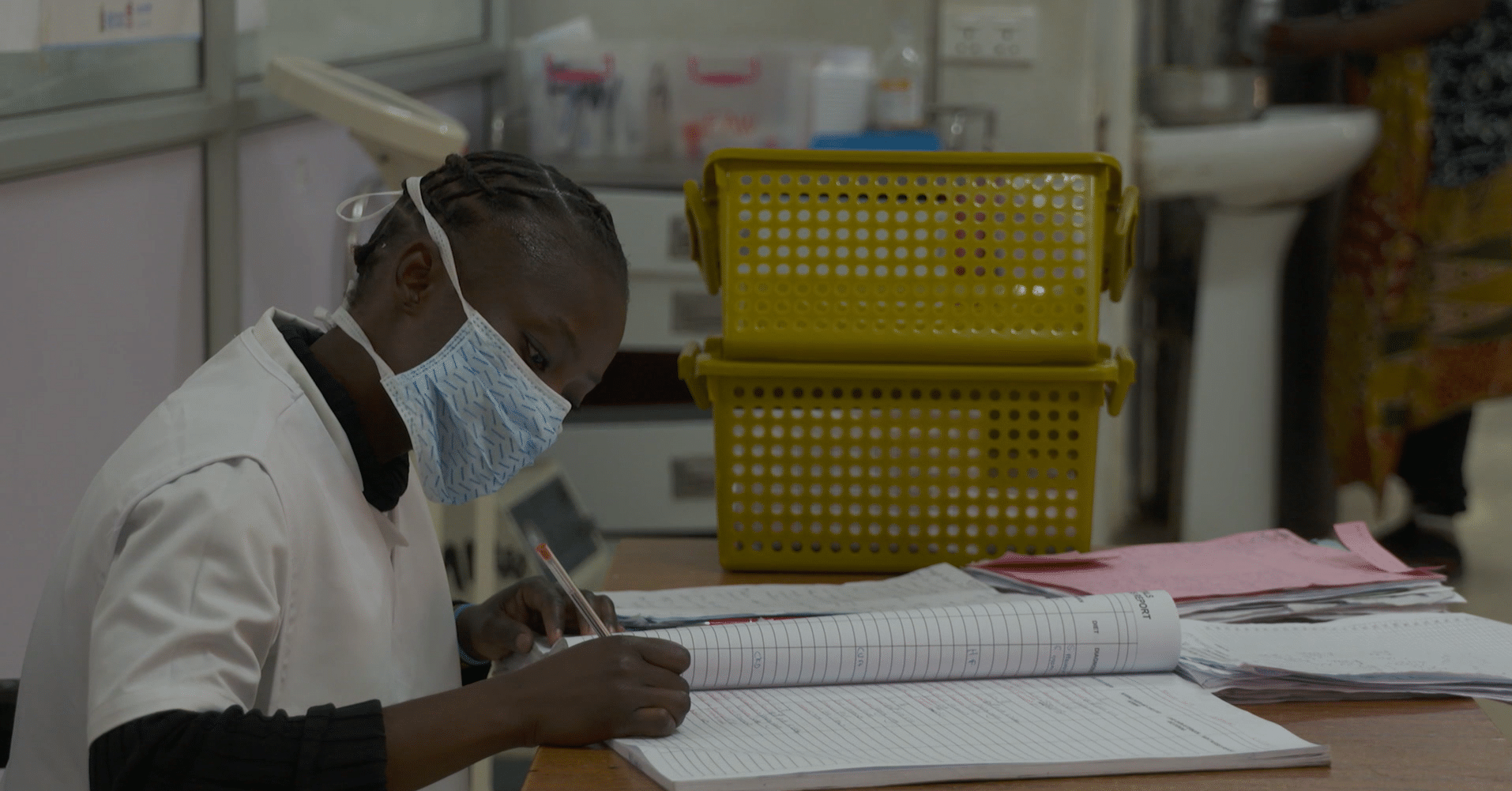
  • Human Health: Inappropriate antimicrobial use in hospitals and primary care (whether for surgical prophylaxis, neonatal care, outpatient prescriptions etc.) drives AMR. ICARS collaborates with governments and researchers in countries like Georgia, Zanzibar, and Laos to improve stewardship practices and ensure patients receive effective care.
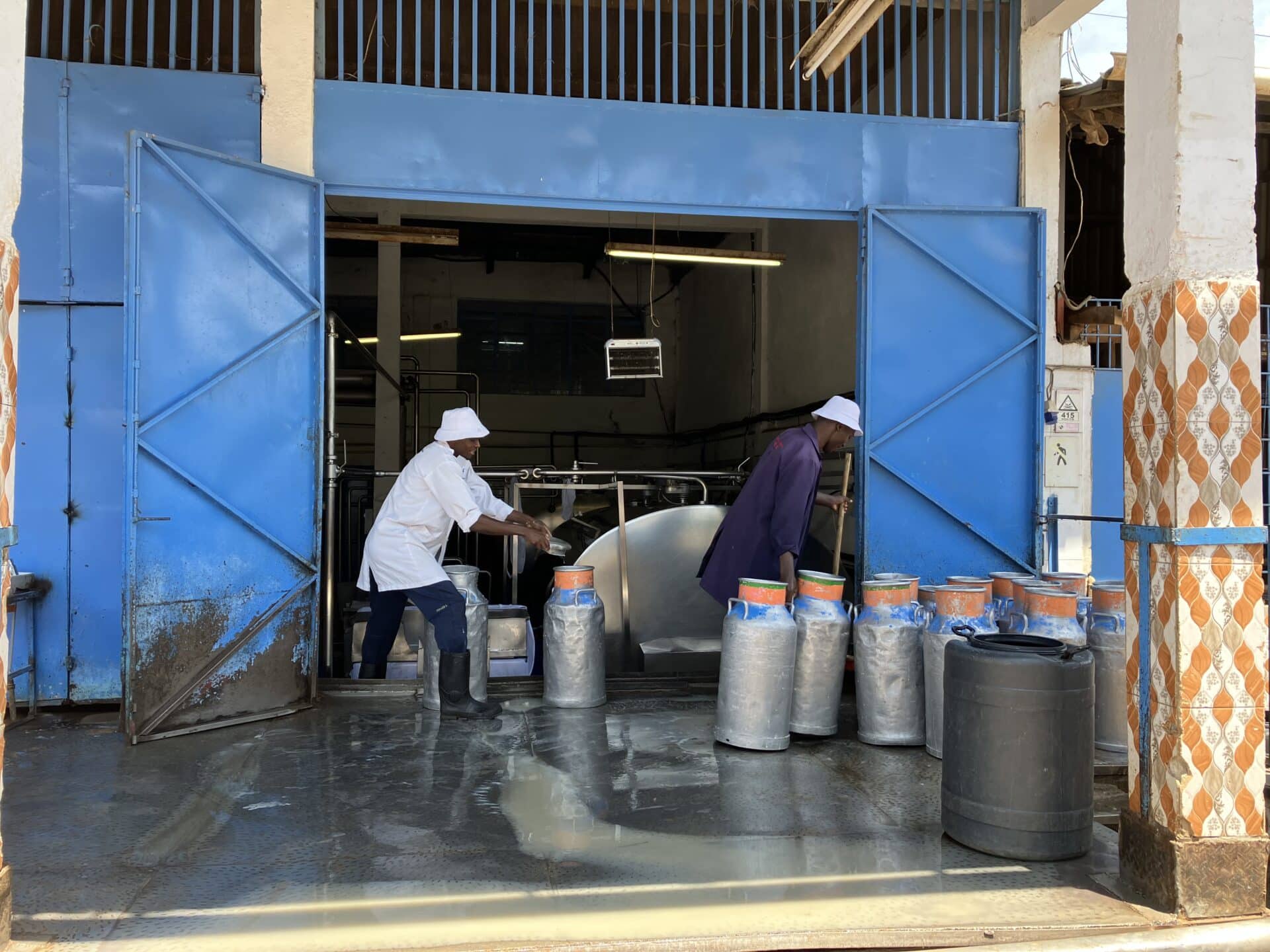
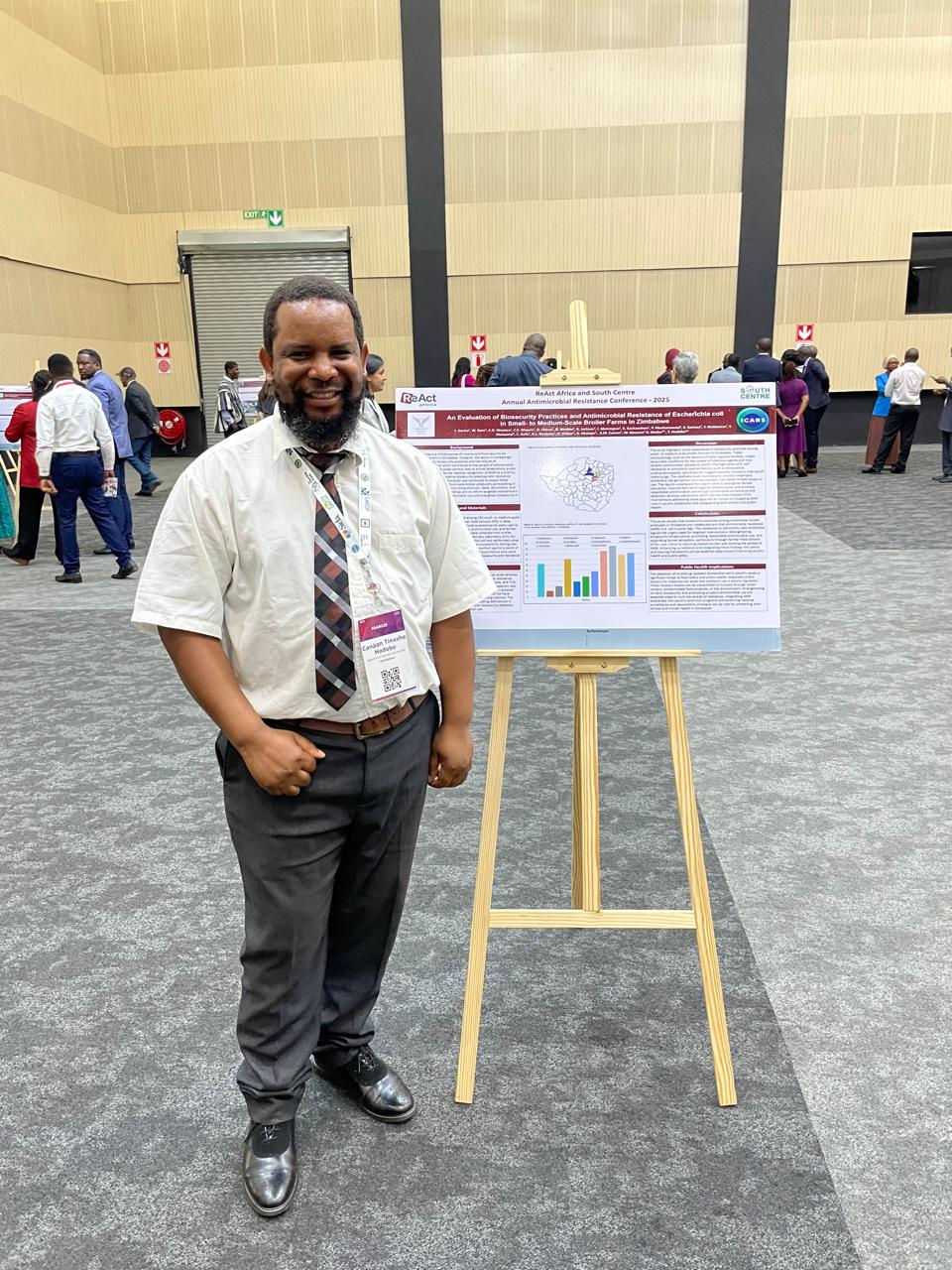
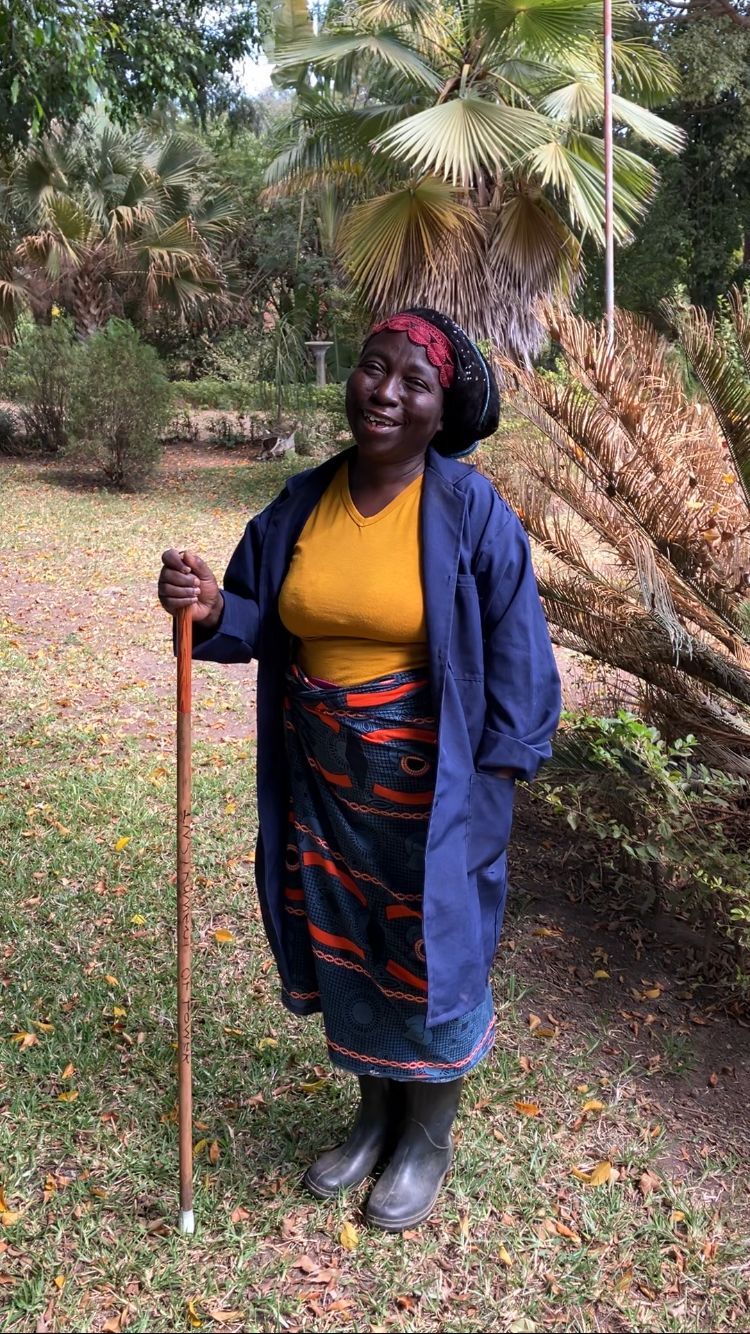
  • Animal Health: In farming systems, sick animals are often treated without any veterinary prescription or oversight, leading to the non-prudent use of antibiotics. Moreover, antimicrobials are often used routinely for growth promotion, which is unnecessary. ICARS works with partners in Zimbabwe, Georgia and Zambia to reduce the use of antimicrobials in the pig and poultry sectors, by removing use for growth promotion and training farmers and animal health workers on the responsible use of antibiotics. 
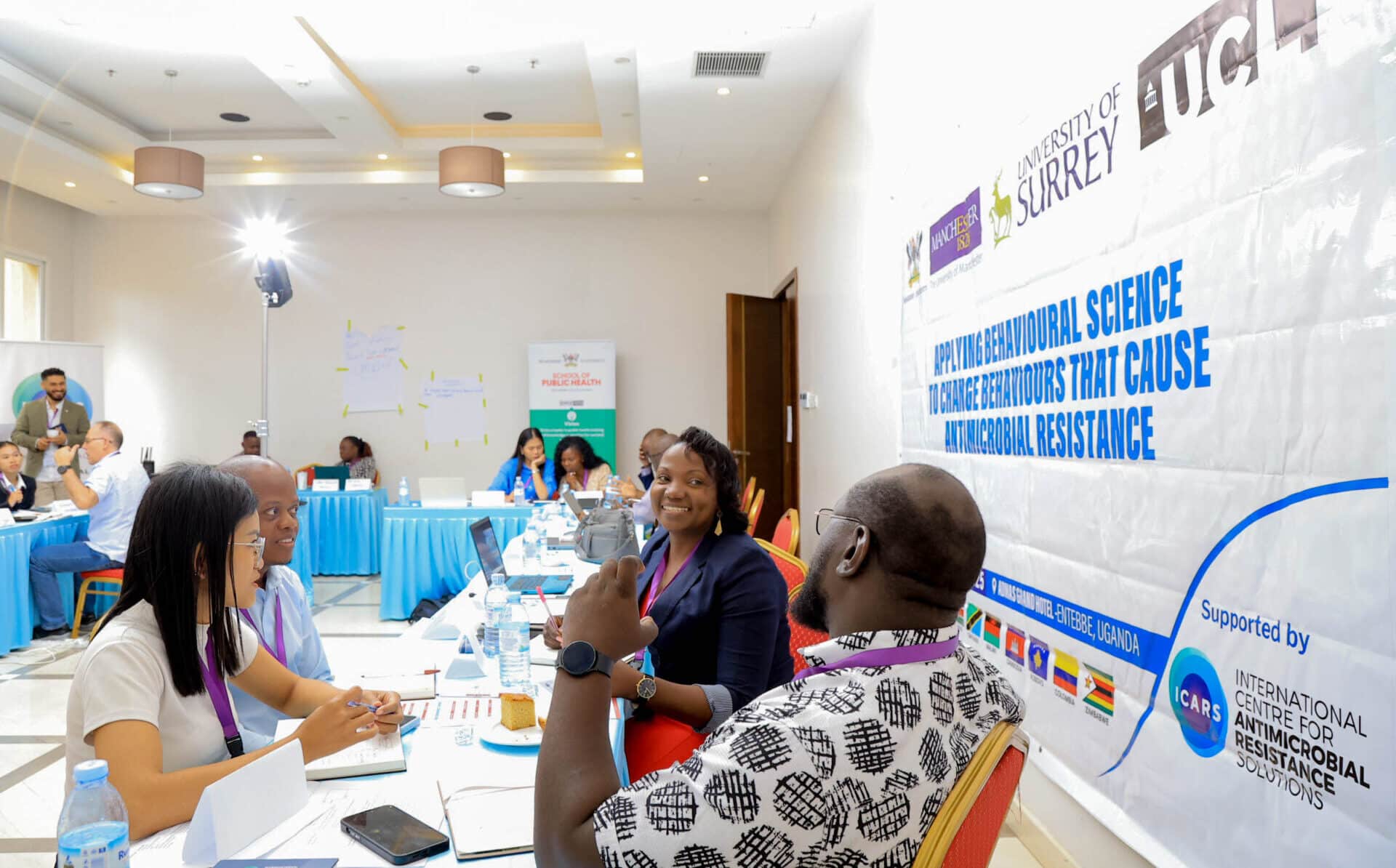
  • Surveillance and behavioural change: Strong stewardship relies on robust data to track antimicrobial use and resistance, alongside interventions that encourage and sustain responsible antimicrobial use behaviours. In Vietnam and Chile, new monitoring tools track antibiotic use and resistance in aquaculture. ICARS also applies behavioural science to address the underlying behavioural drivers of misuse, such as cultural norms, economic pressures, and gendered access to care. 

Diagnostic Stewardship to support Antimicrobial Stewardship

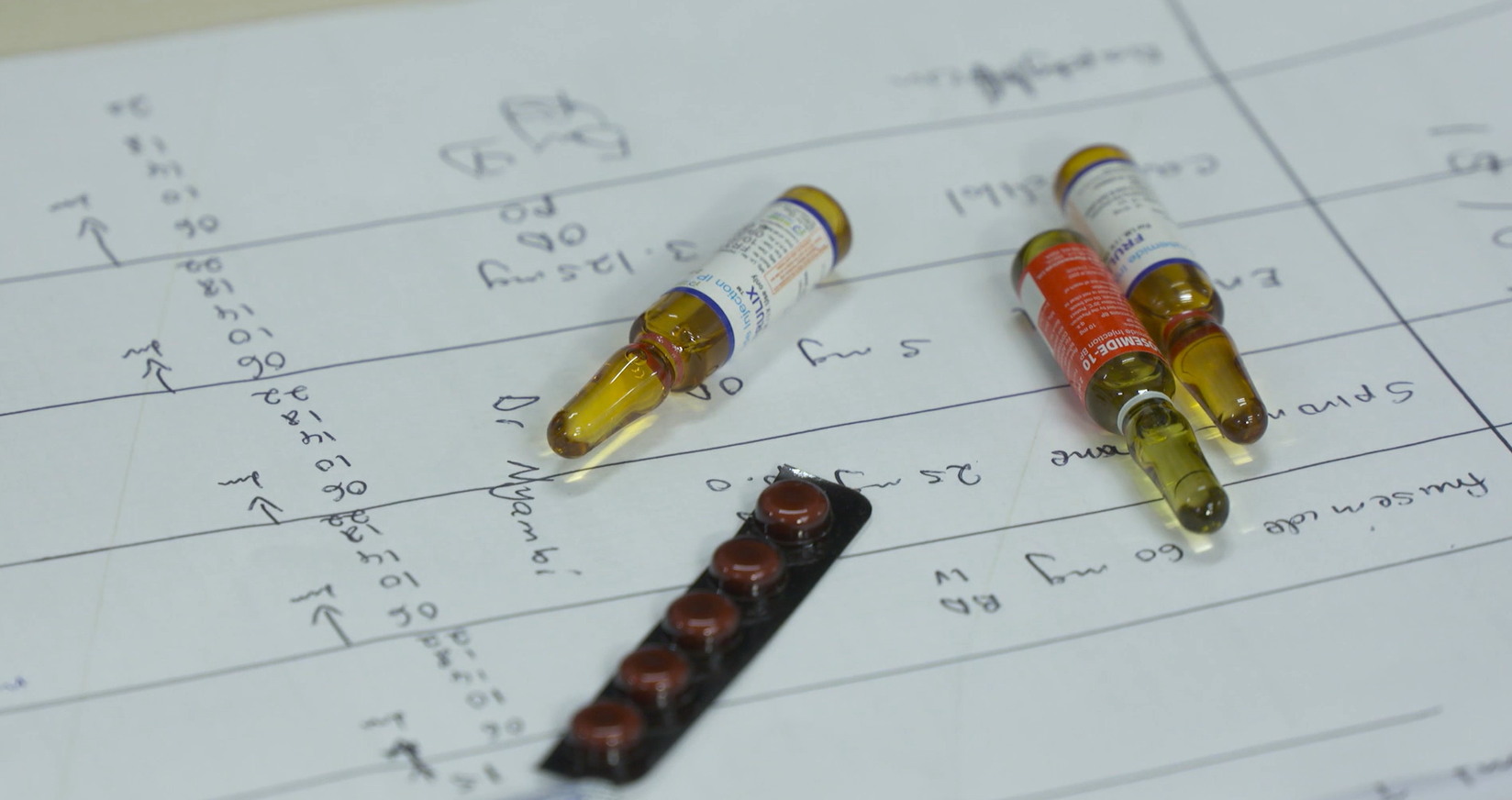
Diagnostic stewardship ensures that treatment decisions about antimicrobial use are based on accurate, timely diagnostic results. It enhances the effectiveness of antimicrobial stewardship by guiding whether and which antibiotics are truly needed. 

  • In Human Health: Differentiating between bacterial and viral infections is essential to reduce overprescription In Kyrgyzstan, ICARS supports the use of point-of-care tests in primary care, helping clinicians identify respiratory infections that actually require antibiotics. These tools are especially valuable in LMICs, where diagnostic infrastructure is often lacking, and antimicrobial susceptibility testing (AST) training and capacity are limited. 
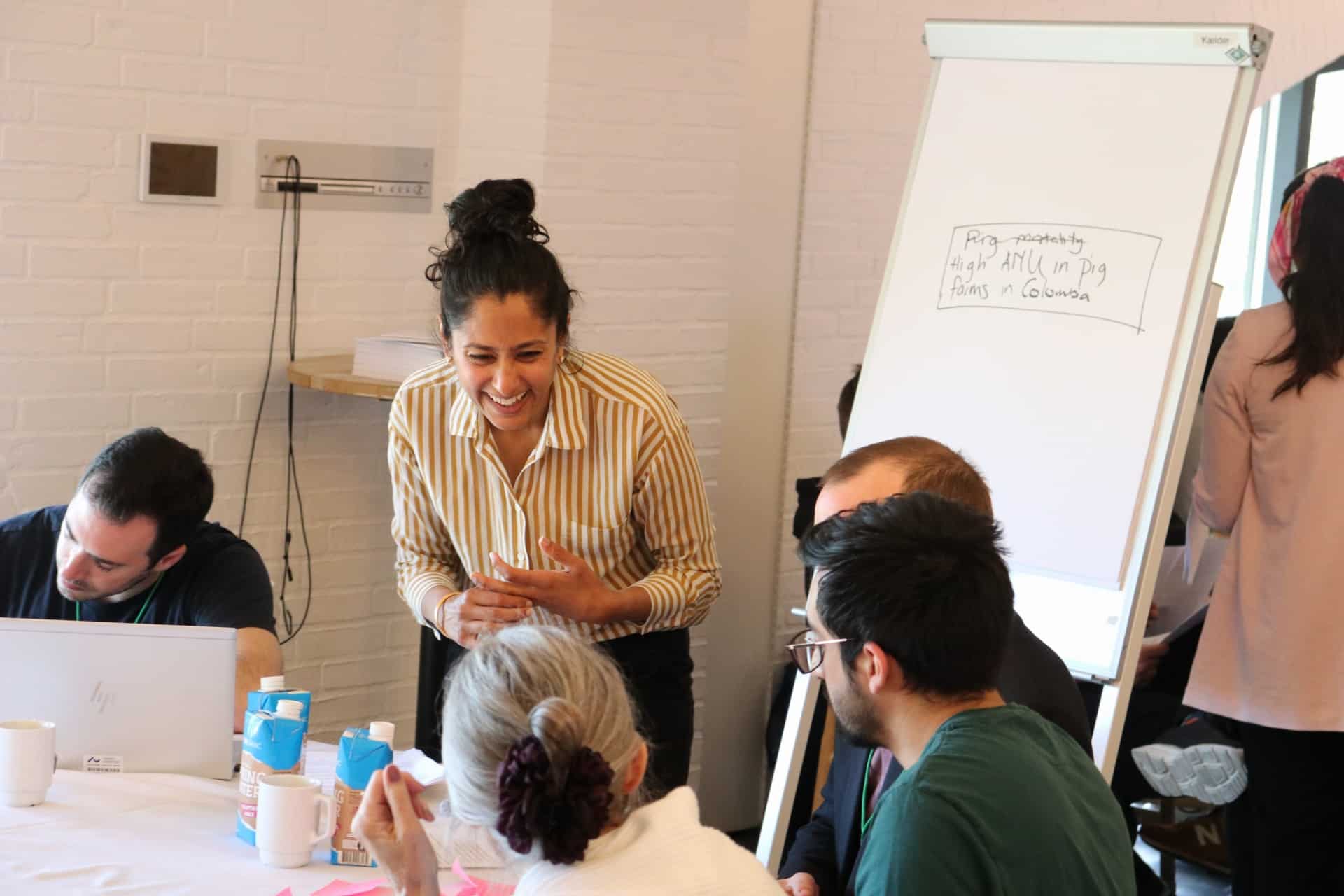
  • In Animal Health: Diagnostics support veterinarians and farmers in making informed treatment decisions. In Colombia, for example, a diagnostic platform was tested in pig farming to identify disease-causing pathogens and guide appropriate antimicrobial use, with the aim of improving herd health and potentially contributing to farmer profitability.
  • By improving diagnostic capacity and promoting responsible antimicrobial use across sectors, ICARS is supporting countries in building resilient systems that safeguard health today and for future generations. 


Explore ICARS-supported stewardship projects across humans and animals:

Our projects

Previous
Next