Effective IPC reduces infection spread and unnecessary antibiotic use, crucial in healthcare, animal production, and communities. Strengthening IPC through evidence-based practices, diagnostics, and community engagement supports improved health outcomes and helps slow AMR development.
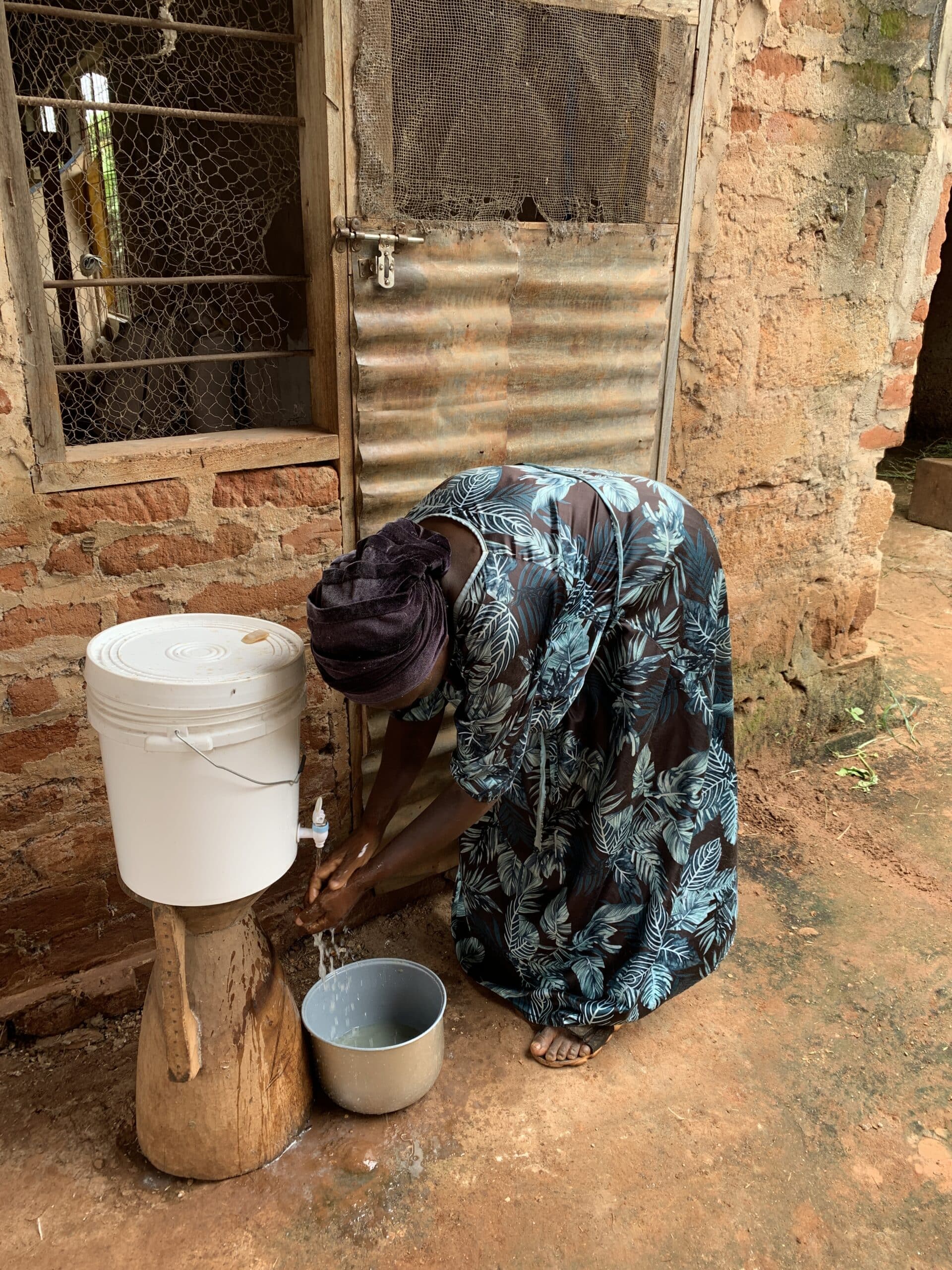
Infection Prevention and Control (IPC) is a critical pillar in the global mitigation of antimicrobial resistance (AMR). Effective IPC helps prevent the spread of infections in humans, animals, and the environment – limiting the need for antimicrobials and slowing the emergence of resistance. In low- and middle-income countries (LMICs), strengthening IPC is essential to improving health outcomes and supporting sustainable, context-appropriate solutions across One Health sectors.
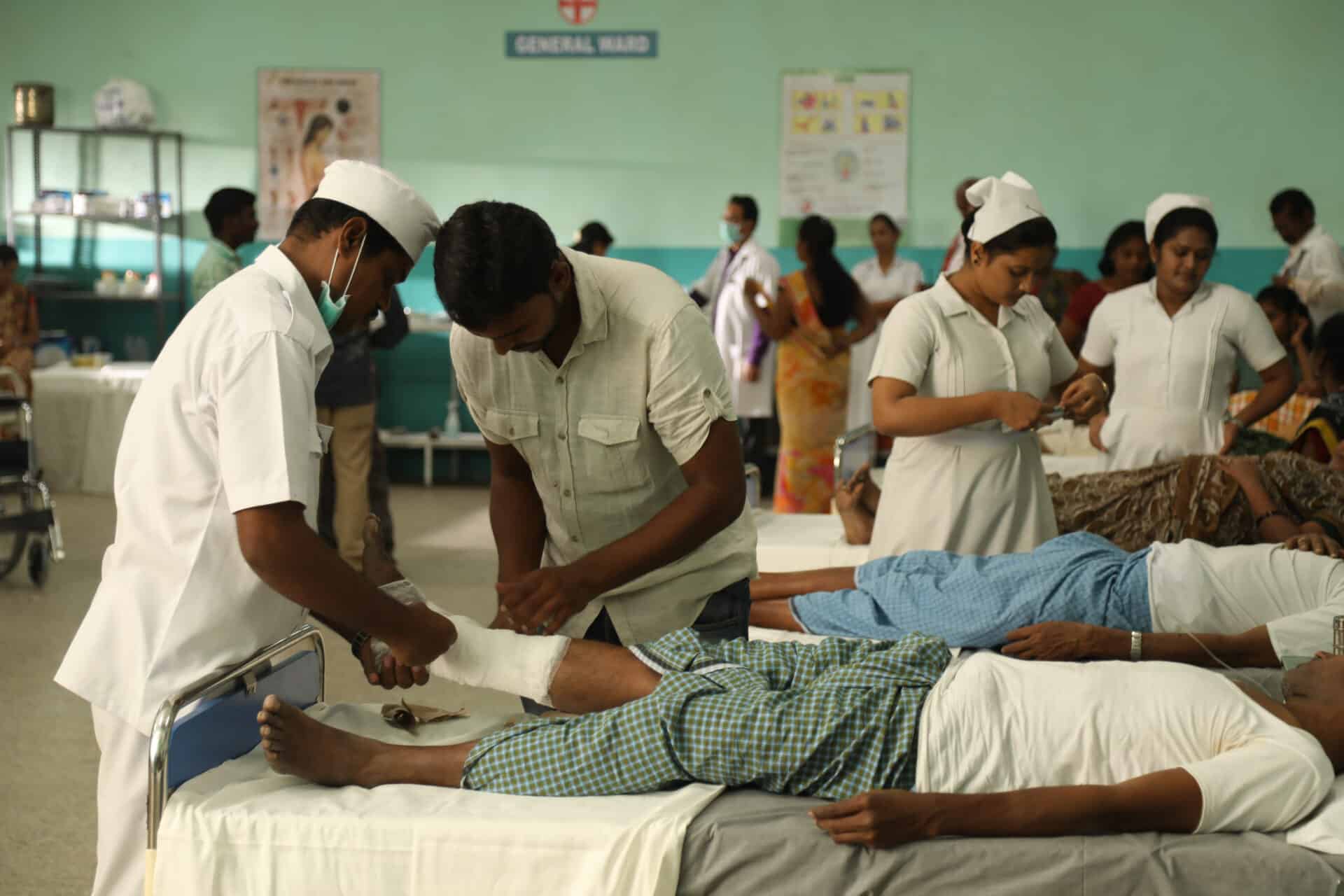
In healthcare settings, IPC improves patient safety, reduces surgical site infections, and promotes more rational antimicrobial use. In Ghana, ICARS is supporting efforts to strengthen surgical antibiotic prophylaxis and hygiene practices across hospitals. By addressing gaps in prescribing, antiseptic quality, and healthcare worker behaviour, this project aims to reduce infection rates and unnecessary antibiotic use.
In Colombia, a multimodal IPC strategy is being introduced in public hospitals to address the spread of carbapenem-resistant Enterobacterales (CRE). This includes staff training, improved screening, and standard operating procedures for ICU settings, generating evidence to inform national IPC policies.
In Laos, IPC interventions are targeting maternal and child health, focusing on improving prescribing behaviour and hygiene practices in hospital maternity wards and paediatric units – populations especially vulnerable to infections and the misuse of antibiotics.

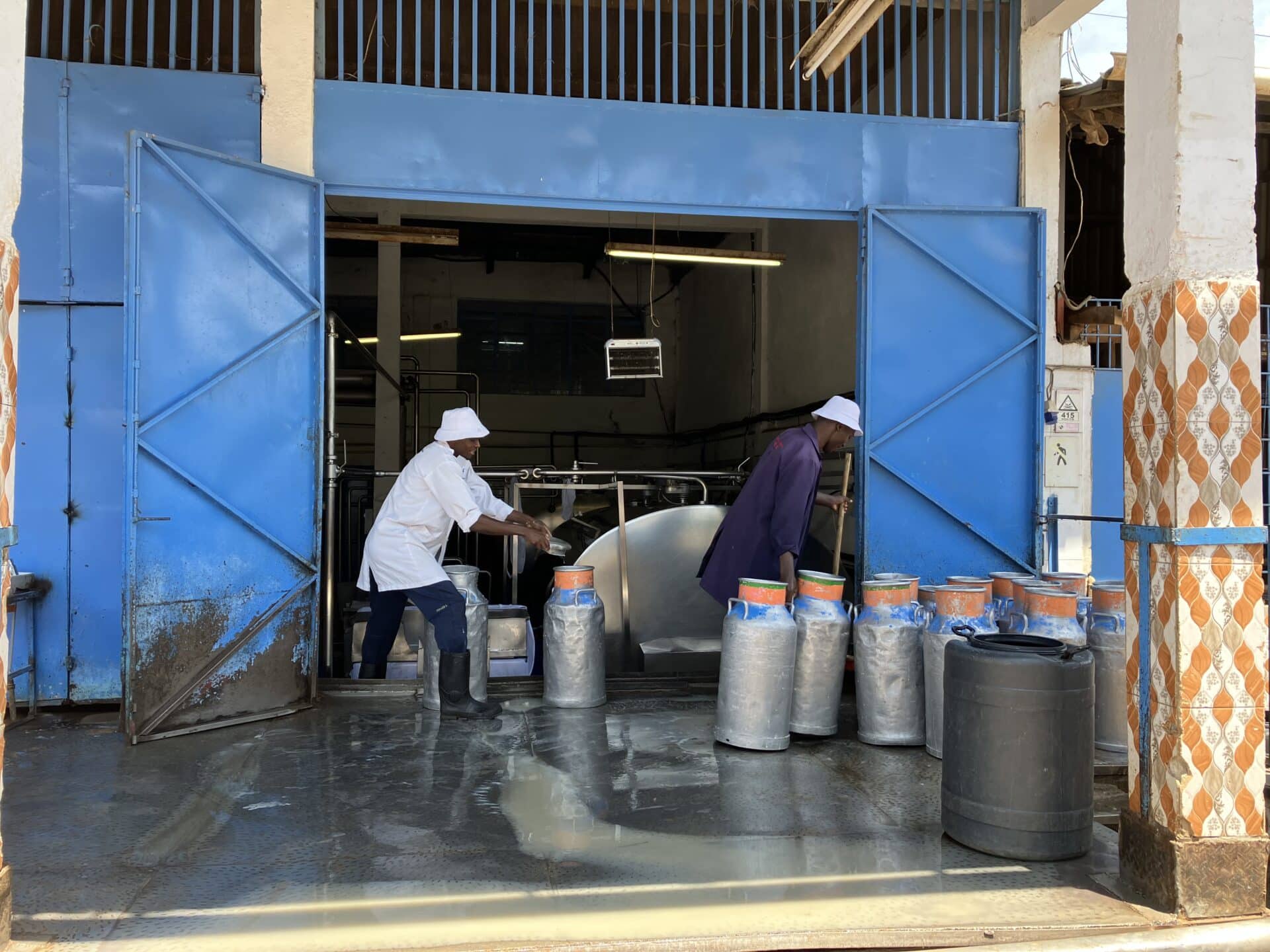
In animal, agri-food and aquaculture systems, IPC takes the form of biosecurity practices, such as improved housing conditions, water quality, controlled animal movements, and vaccination, to reduce the risk of disease transmission among animals or fish. Poor biosecurity and vaccination gaps often lead to high antimicrobial use. In Tanzania, ICARS is working with national partners to optimize vaccination and biosecurity measures in commercial poultry farms. This locally tailored approach aims to reduce disease burden and antimicrobial use while supporting sustainable poultry production.


Similarly, in Vietnam and Colombia, alternative animal health strategies – like improved weaning practices and vaccination – are being tested in pig production to reduce dependence on last-resort antibiotics like colistin.