Climate change accelerates the spread of antimicrobial resistance, posing a global health threat.

Antimicrobial resistance (AMR) is a growing global health crisis that crosses borders, species, and systems. While misuse of antimicrobials in humans and animals is a well-known driver, the environment – and increasingly, climate change – are emerging as critical yet underexplored contributors.
Rising temperatures, extreme weather events, shifting ecosystems, and intensified agriculture are changing disease patterns and antimicrobial use, especially in low- and middle-income countries (LMICs). Meanwhile, pollution from wastewater, pharmaceuticals, and runoff creates ideal conditions for resistance to thrive. Addressing these environmental and climate dimensions is essential to building sustainable, One Health responses that protect people, animals, and the planet.
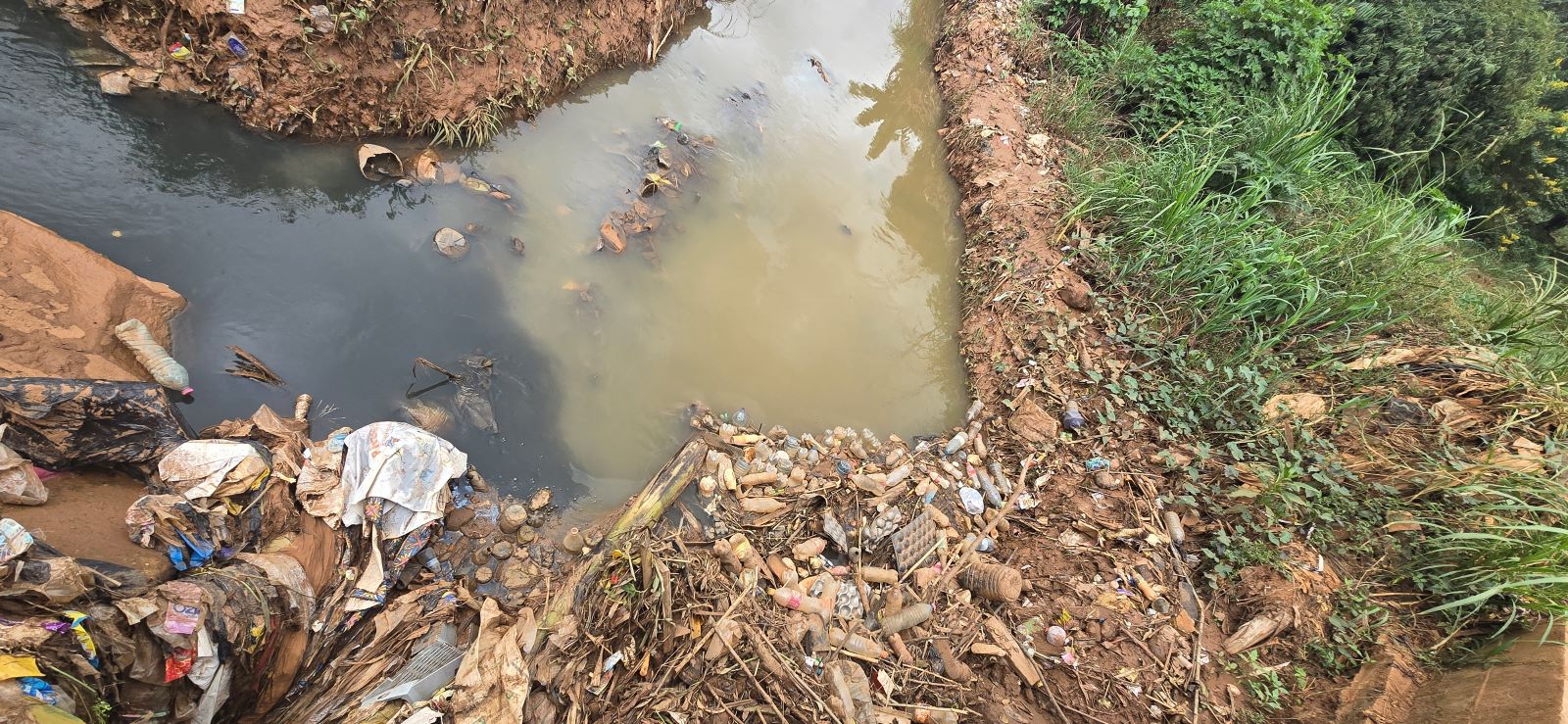
The natural environment is a vast, complex reservoir of microorganisms, many of which carry resistance genes. Human activity is intensifying this dynamic. Agricultural runoff, poorly treated wastewater, pharmaceutical residues, and mismanaged waste are introducing antimicrobials and resistant bacteria into soil, water, air, and crops – creating hotspots for resistance evolution and transmission.
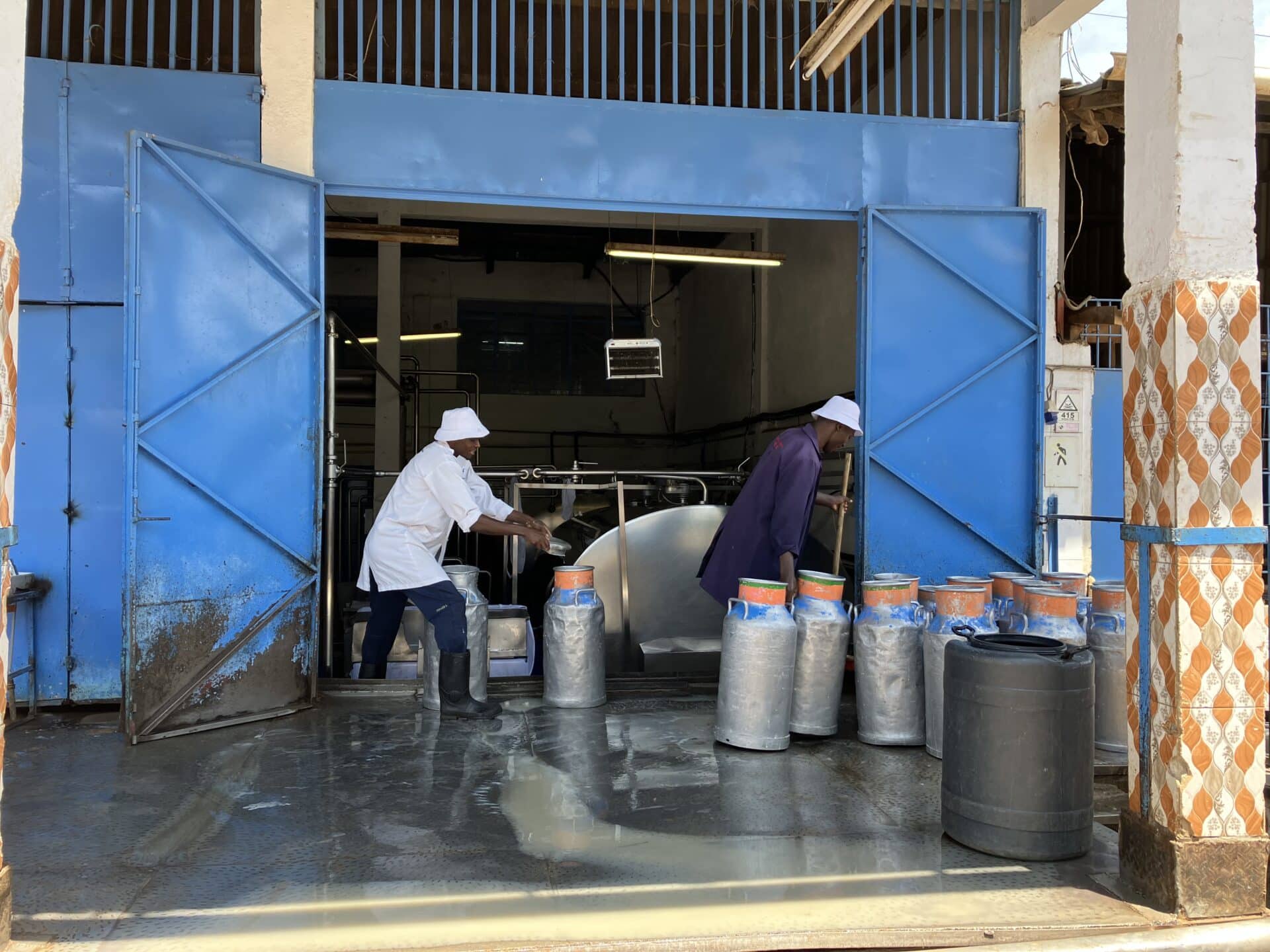
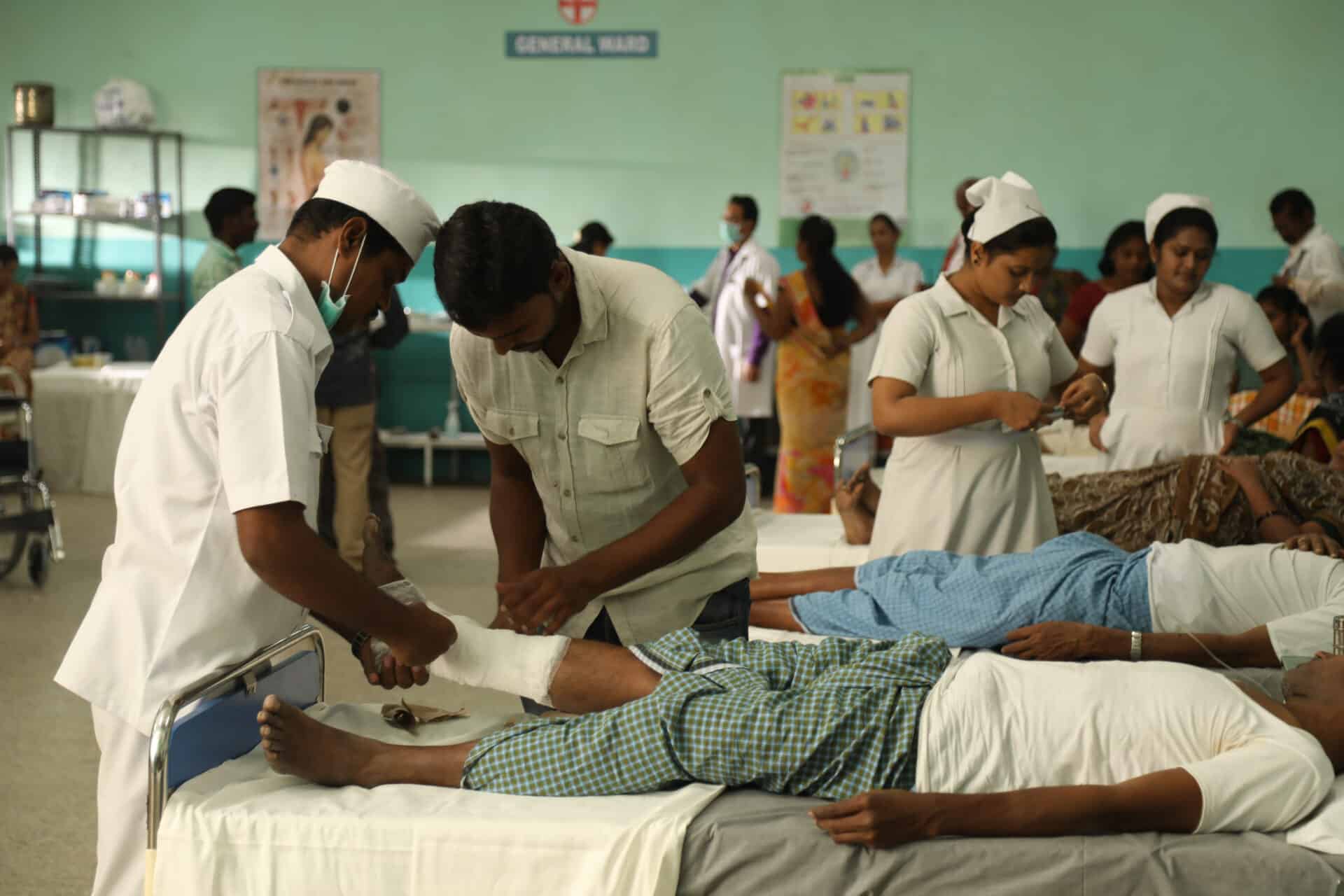
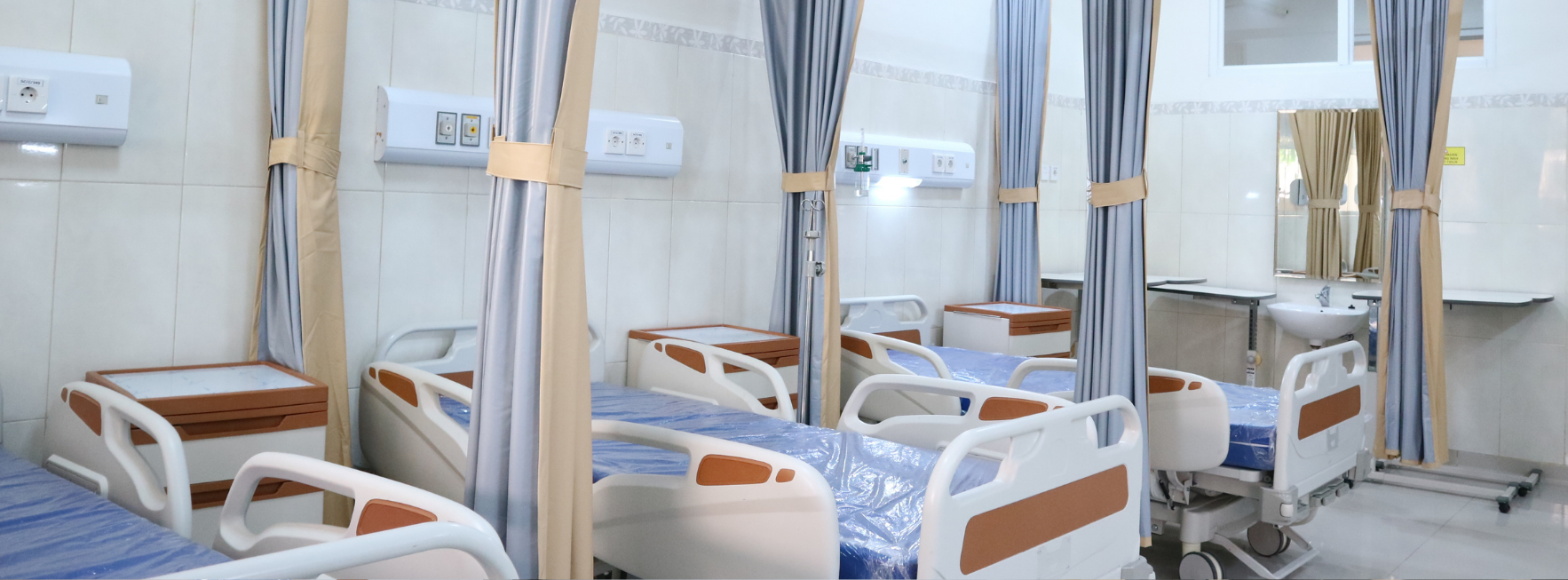
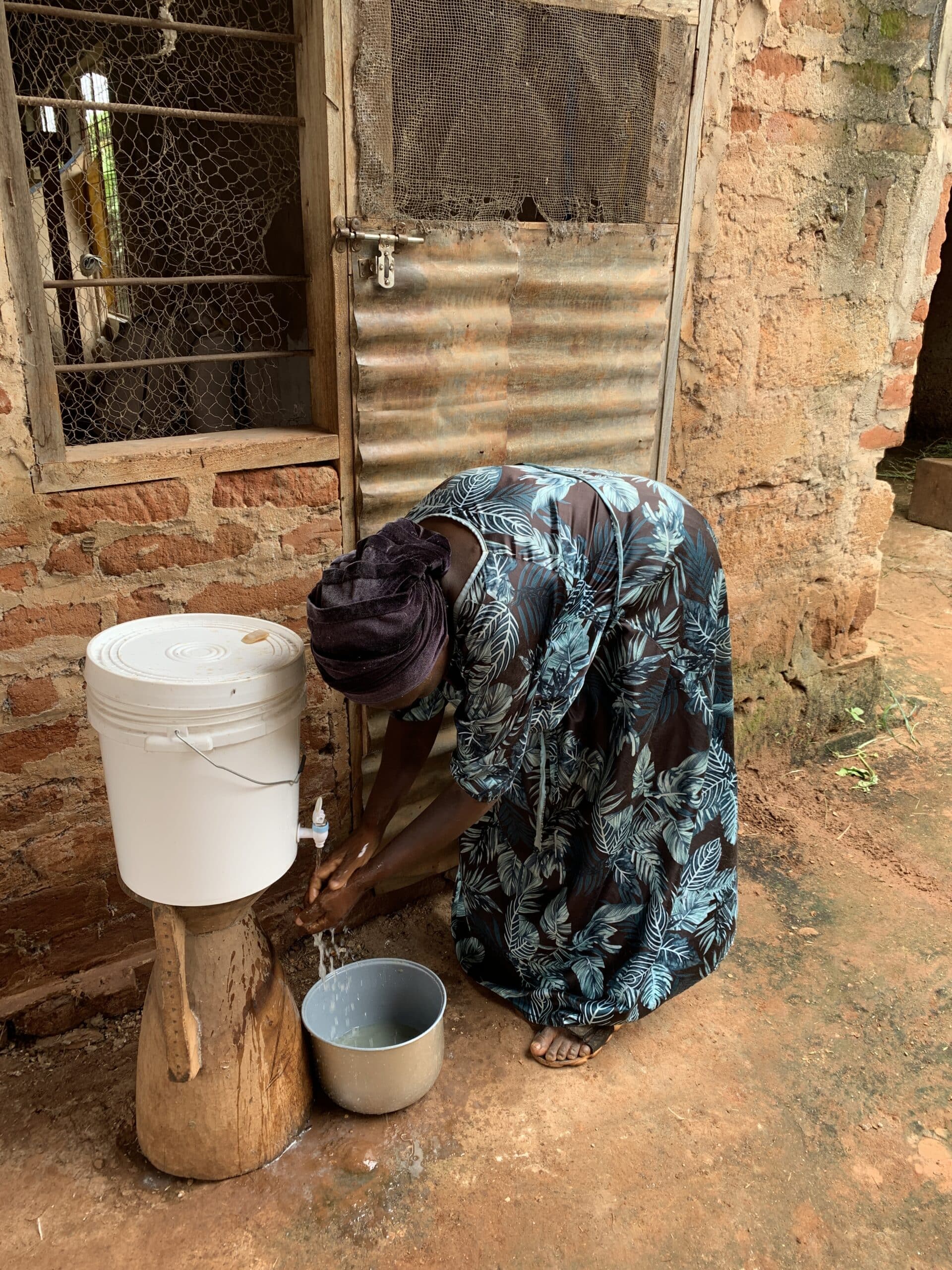
Beyond natural ecosystems, built environments, such as hospitals, abattoirs, markets, and densely populated urban areas, also play a role in amplifying AMR. Factors like poor sanitation, structural design, and intensive disinfectant use can foster resistant bacterial communities.
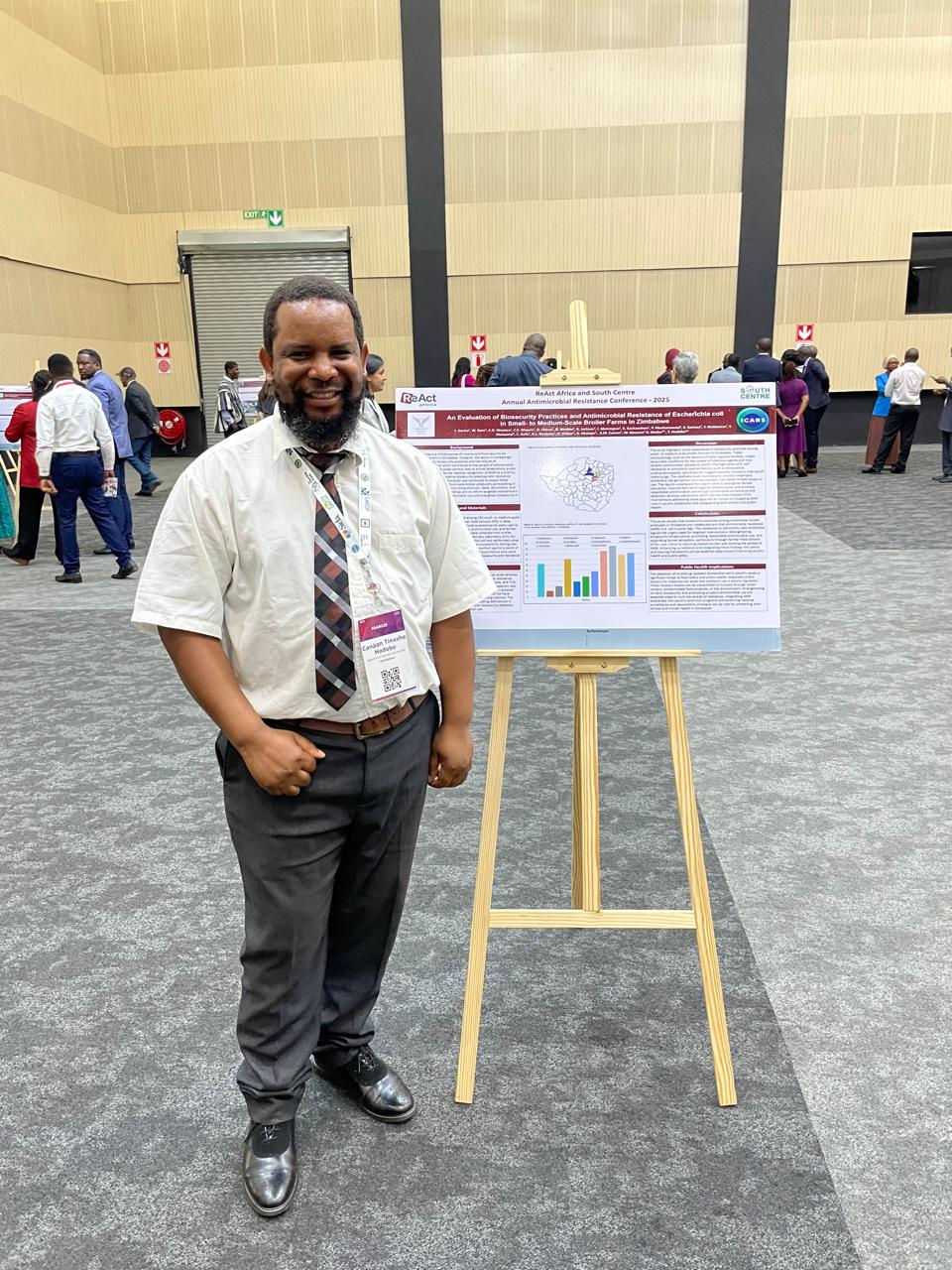
Across both contexts, ICARS emphasizes co-development of solutions with local researchers, policymakers, and communities. This ensures interventions are not only scientifically sound but aligned with national priorities and practical realities.
Climate change adds a powerful new layer of complexity to the AMR crisis. As global temperatures rise and ecosystems become more unstable, infectious disease patterns are shifting — often leading to increased use of antimicrobials, especially in livestock and aquaculture, sectors already facing high AMR risks in LMICs.
The relationship between climate change and AMR remains poorly defined. That is why ICARS, in collaboration with the UK Department of Health and Social Care (DHSC), Canada’s International Development Research Centre (IDRC), and other partners, is advancing a global research agenda focused on climate-smart AMR interventions.
ICARS is committed to generating evidence, strengthening capacity, and supporting cross-sector collaboration to ensure these dimensions are addressed in national and global AMR strategies.
“On-the-ground research is essential to understand how climate change impacts AMR and tailor effective, local solutions.” — Sujith J Chandy, Executive Director, ICARS.
By embedding AMR into environmental and climate action, and vice versa, we can foster resilient health, food, and ecological systems capable of withstanding the pressures of the 21st century.
Explore ICARS-supported projects, publications, and initiatives at the intersection of AMR, the environment, and climate change below.