The Threat of AMR

If we are to have a chance at achieving the Sustainable Development Goals, we must increase the world’s determination to mitigate AMR.

AMR: A Threat to Modern Health Systems

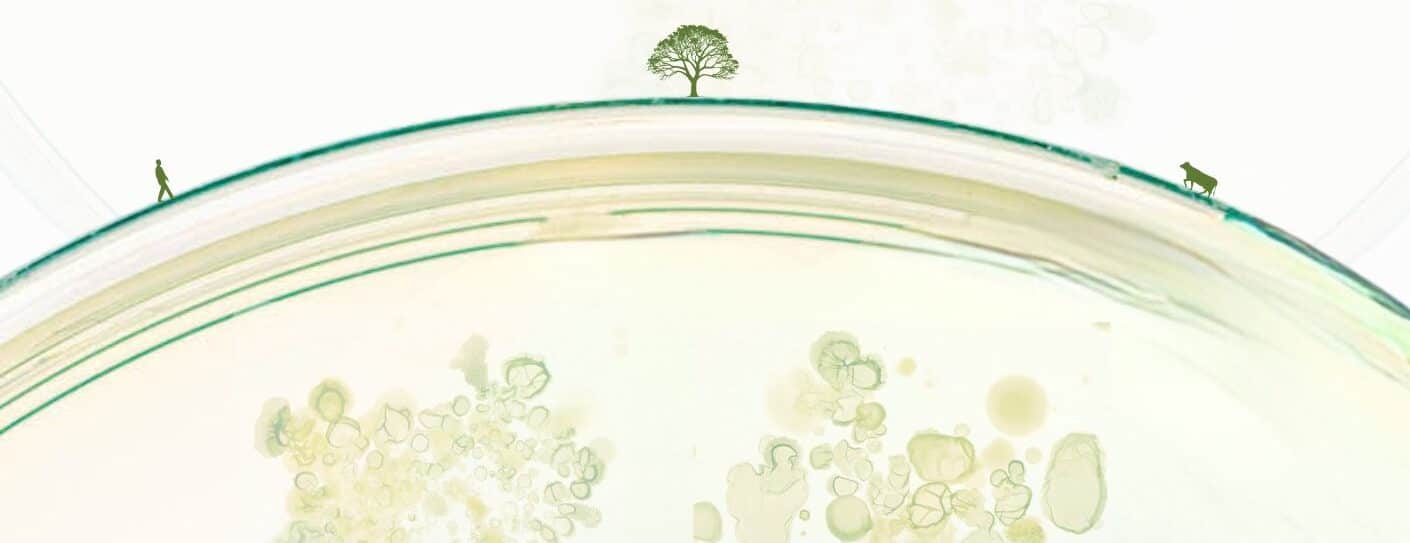
Effective antimicrobials, particularly antibiotics, are cornerstones of modern health systems and societies. However, they are now in jeopardy due to the emergence and spread of drug-resistant microorganisms in humans, animals and the environment which are no longer affected by medication that once killed them. This is referred to as antimicrobial resistance, or “AMR”.

The Growing Global Threat of AMR

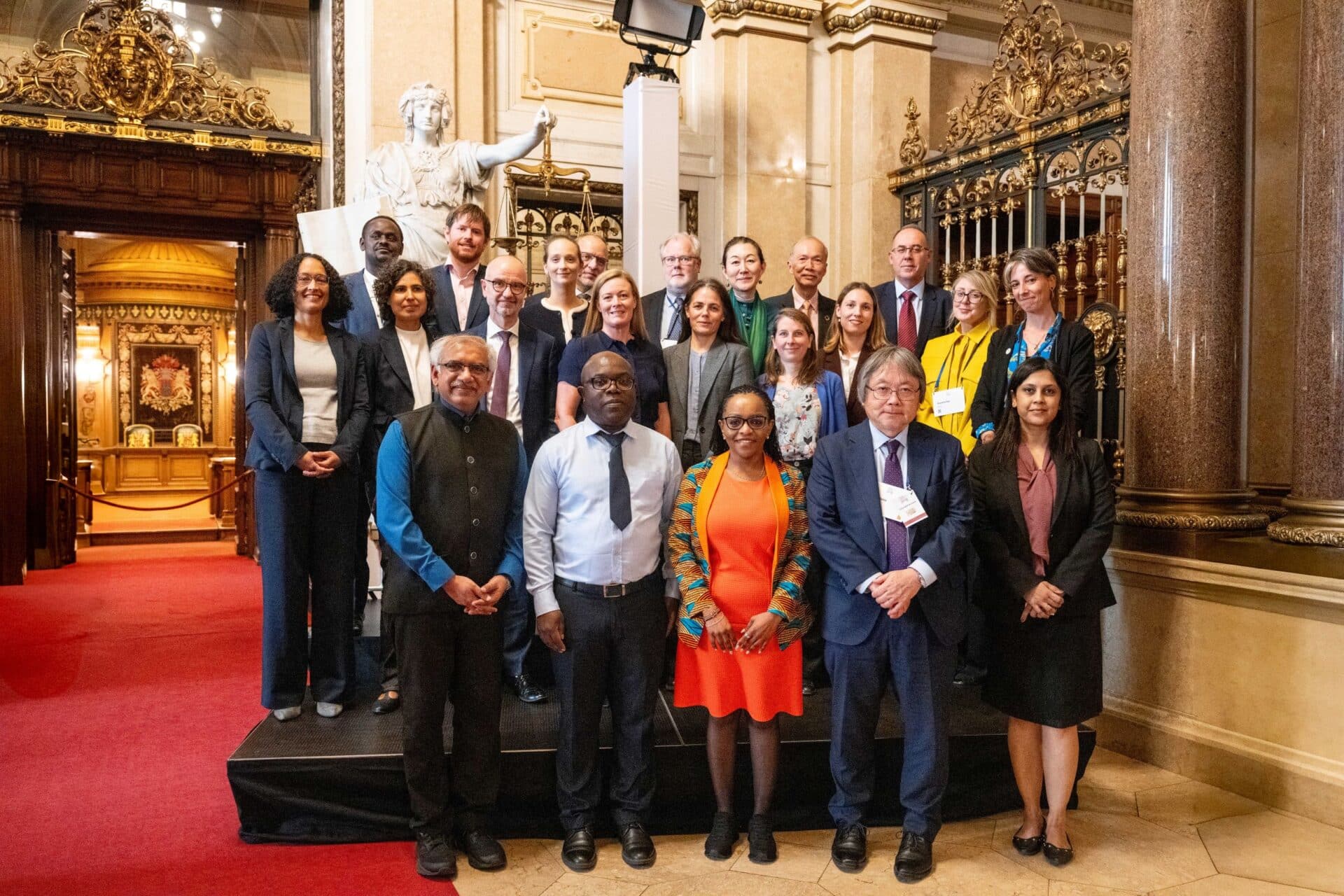
Governments and foundations that commit to a 3+ year engagement and provide a multi-year financial contribution are called Strategic Funding Partners. With a shared commitment to ICARS’ goals and objectives, these partners are invited to contribute to ICARS’ strategic direction through a seat on the Board of Directors.
Governments, international institutions, and foundations that provide earmarked funding for a specific project, geographic region or focus area are invited to participate in the ICARS Strategic Advisory Forum.

Measuring the Impact of AMR

In 2022, The Lancet published the most comprehensive study to date on the global burden of antimicrobial resistance (AMR). Led by the GRAM Project, it analysed 471 million records and used statistical modelling to estimate AMR-related deaths in 204 countries and territories in 2019. The results confirmed long-held fears:

The Urgency of Action on AMR

The sobering numbers are undoubtedly cause for alarm, particularly as we continue to live under the grip of the ‘other’ pandemic, COVID-19, which will have potentially worsened the already dire trajectories of the so-called ‘silent pandemic’ of drug-resistant infections. The GRAM report shines a light on both the shocking impact that AMR already has, and the disastrous scenario we face if we continue to let the problem grow unchecked, allowing many bacterial pathogens to become even more resistant in the future, than they already are today. 

In 2017, a report from the World Bank predicted that the economic impact will be bigger than the financial crisis of 2008/9 as it will last longer, increase inequalities within countries and impact low and middle income countries the most.